Explore practical guides, tools & digital resources.
Read Blog

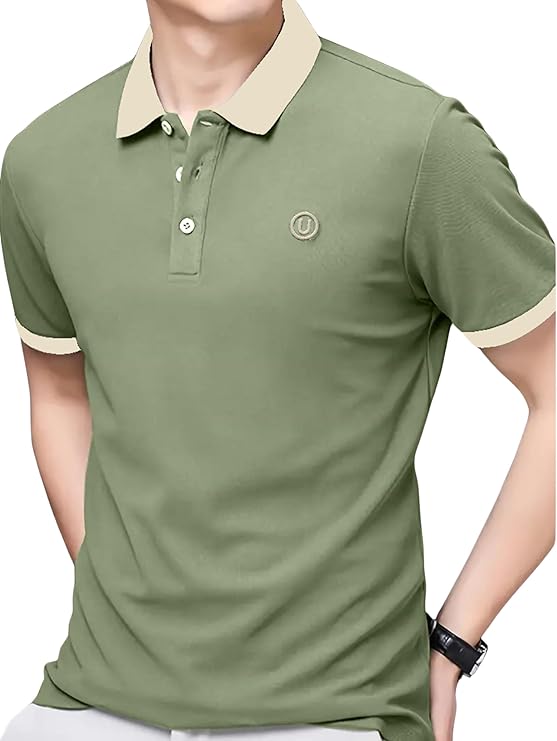
Polo T-Shirts: The Essential Piece Every Man Needs (And Why Digital Marketing Made It Happen)
From the polo fields of early 20th-century India to the closets of millions worldwide, the Polo T-shirt has become more than just clothing—it’s a symbol of effortless style and comfort. But have you ever wondered how a simple cotton shirt transformed into a global essential? The answer lies not just in great design, but in the strategic power of digital marketing for fashion brands, smart eCommerce strategy, and timeless branding in fashion. In this article, we’ll explore how the Polo became an icon and what marketers can learn from this success story.
The Rise of the Polo: From Sports to Everyday Staple
The story of the Polo T-shirt begins with necessity, not fashion. In the 1920s, French tennis player René Lacoste invented a lightweight, breathable shirt to replace the restrictive formal tennis wear of his era. He created a short-sleeved design made from breathable piqué cotton with a soft collar—a revolutionary change at the time.
What started as sports apparel quickly evolved into everyday fashion. By the 1950s and 60s, the Polo had crossed social boundaries. It appeared in Hollywood films, worn by rebellious teenagers and stylish executives alike. This cultural shift was organic, but the real momentum came later—through calculated brand storytelling and lifestyle positioning.
Today, the Polo isn’t just a shirt; it’s a lifestyle choice. And this transformation didn’t happen by accident. It happened through smart marketing.
How Digital Marketing Transformed a Simple Shirt into a Global Icon
Building Brand Identity Through Storytelling
Ralph Lauren’s Marketing Masterclass
Ralph Lauren didn’t just sell clothes; he sold a lifestyle. His approach to digital marketing strategy is a textbook example of how brands build emotional connections.
Ralph Lauren uses storytelling at every touchpoint—from nostalgic ads evoking the American dream to aspirational depictions of modern luxury. His “Wear Your Story” campaign encouraged customers to share their personal experiences with his clothing, turning buyers into brand ambassadors.
Key takeaway: Storytelling creates emotional connection. When customers see themselves in your brand narrative, they’re not just buying a product—they’re buying an identity.
The Social Media Revolution: Where Fashion Goes Viral
Instagram and TikTok Changed Everything
Social media didn’t just become a marketing channel; it became a fashion runway. Brands like Ralph Lauren recognized this early and invested heavily in platforms like Instagram and TikTok.
Here’s what’s happening on these platforms:
-
Visual storytelling through styled product photography and behind-the-scenes content
-
Influencer collaborations showcasing Polos in real-life scenarios
-
Trend-driven content that keeps the product relevant and shareable
-
User-generated content where customers become content creators
For example, when high-engagement creators showcase a Polo T-shirt with different styling options—from casual weekend looks to smart-casual office wear—it does more for conversions than traditional advertising ever could.
The psychology here is simple: People buy what they see in action. When an influencer with 500K followers demonstrates how to style a Polo with jeans, joggers, and formal trousers in one week, it positions the product as essential for multiple occasions.
Social Media & Influencer Marketing: The Modern Sales Engine
Why Influencers Drive Conversions
Fashion brands noticed a massive shift in consumer behavior. Traditional TV and print ads lost ground to influencer recommendations. Why? Trust and authenticity.
When a fashion influencer you follow recommends a Polo T-shirt, it carries more weight than a celebrity endorsement from 30 years ago. This is because influencers maintain active feedback loops with their audiences, creating communities of loyal brand advocates.
The Affiliate Link Strategy
Here’s where affiliate marketing enters the picture. Brands now compensate influencers based on actual sales generated through unique affiliate links.
Example scenario:
-
An influencer creates a video styling the Polo in 5 different ways
-
They include an affiliate link in the description
-
For every click-through that converts to a purchase, they earn a commission
-
The brand gets tracked ROI on every influencer partnership
This model transformed fashion marketing. It’s no longer about hoping an ad resonates—it’s about paying only for actual conversions.
Platform-Specific Strategies
TikTok & Short-Form Video
TikTok became the playground for fashion creativity. A simple Polo T-shirt can generate viral content when positioned creatively—styling hauls, try-on challenges, outfit transitions, and quick fashion tips.
Brands investing in TikTok partnerships see unprecedented engagement. Some campaigns generate over 7 billion views, with user participation creating organic amplification.
Instagram Reels & Stories
Instagram remains the visual epicenter of fashion. High-quality product shots, carousel posts showing styling options, and Stories creating urgency (“Limited sizes available!”) drive consistent traffic.
E-Commerce Optimization & Affiliate Marketing: Converting Clicks into Sales
SEO Keywords: Making Your Product Findable
Here’s a marketing reality: If customers can’t find your product online, it doesn’t exist.
When someone searches for “polo shirts for men” or “smart casual t-shirt,” they’re a few clicks away from making a purchase. This is transactional search intent—the highest-value traffic type.
Key SEO Keywords Driving Sales:
-
“Polo shirts” (550,000+ monthly searches)
-
“Smart casual clothing for men” (550,000+ monthly searches)
-
“Cotton blend t-shirts for men” (high intent, lower competition)
-
“Men’s casual wear” (450,000+ monthly searches)
-
“Comfortable everyday t-shirt”
-
“Breathable cotton shirt”
-
“Versatile men’s clothing”
Amazon, Myntra, Flipkart, and other eCommerce platforms rank Polo T-shirts using these exact keywords. When a brand optimizes its product page with relevant keywords, rich descriptions, and high-quality images, it captures customers actively ready to buy.
Product Page Optimization: The Silent Converter
A great product page doesn’t just describe the shirt—it sells the lifestyle:
-
High-quality images showing the shirt from multiple angles and styled in different ways
-
Detailed descriptions highlighting fabric benefits (breathability, durability, stretch)
-
Customer reviews providing social proof
-
Seasonal styling tips kept fresh and relevant
-
Internal linking to related products (suggesting complementary items)
This is where eCommerce strategy directly impacts conversions. A 10% improvement in product page conversion rates can translate to significant revenue growth.
Affiliate Marketing: Building Revenue Beyond Direct Sales
Fashion brands now partner with fashion bloggers, YouTube reviewers, and lifestyle content creators. These affiliates promote the Polo T-shirt on their platforms and earn a commission for each sale.
Why This Works:
-
Expanded reach – Brands access audiences they wouldn’t reach through paid ads
-
Authentic promotion – Affiliates genuinely use and recommend products
-
Performance-based – Brands only pay for actual conversions, not impressions
-
Long-tail traffic – Affiliates often rank for specific, niche keywords
For example, a men’s fashion blogger might rank for “best polo shirts under ₹1000” or “cotton blend t-shirts for office wear”—highly specific keywords that drive qualified traffic.
The Psychology Behind the Polo’s Popularity
Why Simplicity Sells
The Polo T-shirt succeeds because it solves a fundamental problem: men want to look good without thinking too hard about it.
The shirt is simple, versatile, and forgiving. It works with jeans, trousers, shorts, or joggers. It can be casual or professional. This simplicity is its superpower in marketing psychology.
Brands positioning the Polo emphasize:
-
Comfort – No compromises on how it feels
-
Versatility – One shirt, multiple occasions
-
Timelessness – “Never goes out of fashion”
-
Accessibility – Premium quality at reasonable prices
Color Psychology in Fashion Marketing
Colors influence purchasing decisions more than most people realize.
-
Navy and Black – Professional, safe, versatile
-
White – Clean, fresh, pairs with everything
-
Pastels (Light Blue, Pink) – Approachable, friendly
-
Solid colors vs. Patterns – Simplicity wins in casual wear
When brands photograph Polos in these strategic colors, they’re not just showing clothing—they’re showing lifestyle possibilities.
What Small Businesses and Marketing Students Can Learn
1. Storytelling Beats Features
Don’t just say “Cotton Blend T-Shirt, Regular Fit, Half Sleeves.” Instead, tell a story: “Perfect for the modern man—from casual outings to smart-casual office wear, this Polo adapts to your lifestyle.”
Example: Ralph Lauren doesn’t highlight technical fabric specifications; it showcases heritage, craftsmanship, and aspiration.
2. Influencer Partnerships Require Alignment
The most successful campaigns don’t just hire the biggest influencers—they partner with creators whose audience genuinely matches their target market.
A fitness influencer might push Polos for workout wear, while a corporate lifestyle creator emphasizes office styling. Different influencers, different angles, same product.
3. SEO is a Long-Term Revenue Driver
While paid ads provide immediate traffic, SEO for fashion eCommerce creates sustainable, low-cost customer acquisition.
Invest in keyword research, product page optimization, and content marketing. A single blog post ranking for “best polos for men” can drive consistent traffic for years.
4. Affiliate Marketing Creates Passive Income Streams
If you’re a blogger or content creator, affiliate marketing lets you monetize your audience without creating products. If you’re a brand, affiliate programs extend your reach exponentially.
5. Video Content Dominates Engagement
Static images are good; videos showing how to style a Polo are better. TikTok reels, YouTube tutorials, and Instagram videos generate significantly higher engagement than photos.
Why Digital Marketing Turned the Polo into a Must-Have
Let’s be clear: The Polo T-shirt succeeded because digital marketing made it essential.
In a pre-digital era, a simple shirt was just a shirt. Today, with strategic storytelling, influencer endorsements, SEO optimization, and affiliate partnerships, it’s a lifestyle statement.
Here’s the sequence:
-
Storytelling (Ralph Lauren, Lacoste) creates brand identity and emotional connection
-
Social media presence (Instagram, TikTok) makes the product visible and aspirational
-
Influencer collaborations (affiliate links, sponsorships) drive targeted traffic and conversions
-
SEO optimization (keywords, product pages) captures high-intent buyers
-
Affiliate partnerships (bloggers, creators) amplify reach and create new revenue streams
-
Customer reviews and UGC (user-generated content) build trust and credibility
Each component reinforces the others. The result? A simple T-shirt becomes indispensable.
The Takeaway: Digital Marketing Transforms Products Into Icons
Whether you’re launching a clothing brand, optimizing product pages, or building an affiliate income stream, the Polo T-shirt offers valuable lessons:
-
Great products need great marketing
-
Storytelling creates emotional connection
-
Influencers and affiliates multiply your reach
-
SEO captures high-intent customers
-
Simplicity and versatility resonate across demographics
-
Video and visual content drive engagement
The Polo didn’t become a global essential because it’s a better shirt than competitors. It succeeded because every component of its marketing—from brand narrative to influencer partnerships to eCommerce optimization—was strategically aligned.
Want to Master These Digital Marketing Skills?
The strategies behind the Polo’s success—storytelling, influencer marketing, SEO optimization, affiliate income, and eCommerce strategy—are skills every digital marketer needs.
At InfinitusGiants, we provide comprehensive training in digital marketing for fashion brands, eCommerce strategy, and web design. Learn how to:
-
Build compelling brand stories that resonate with audiences
-
Identify and partner with the right influencers for your niche
-
Optimize product pages for higher conversions
-
Master SEO keywords and content strategy
-
Launch and manage successful affiliate programs
-
Create engaging video content for social media
Whether you’re a small business owner, a content creator looking to monetize, or a marketing professional wanting to level up—our digital marketing and web design training programs cover everything you need to transform products into must-haves.
Explore InfinitusGiants’ training programs and start building the digital marketing expertise that turns simple products into global icons.
Grab your Lymio Polo T-Shirt on Amazon now! (Limited stock available)
🛒 Click here to check the latest price on Amazon!
⚠️ Affiliate Disclaimer:
This article contains affiliate links. If you purchase through these links, I may earn a small commission at no extra cost to you. This helps me continue bringing helpful content and recommendations. Thank you for your support! 🙏