Become Master in Digital Marketing!
Enroll Now

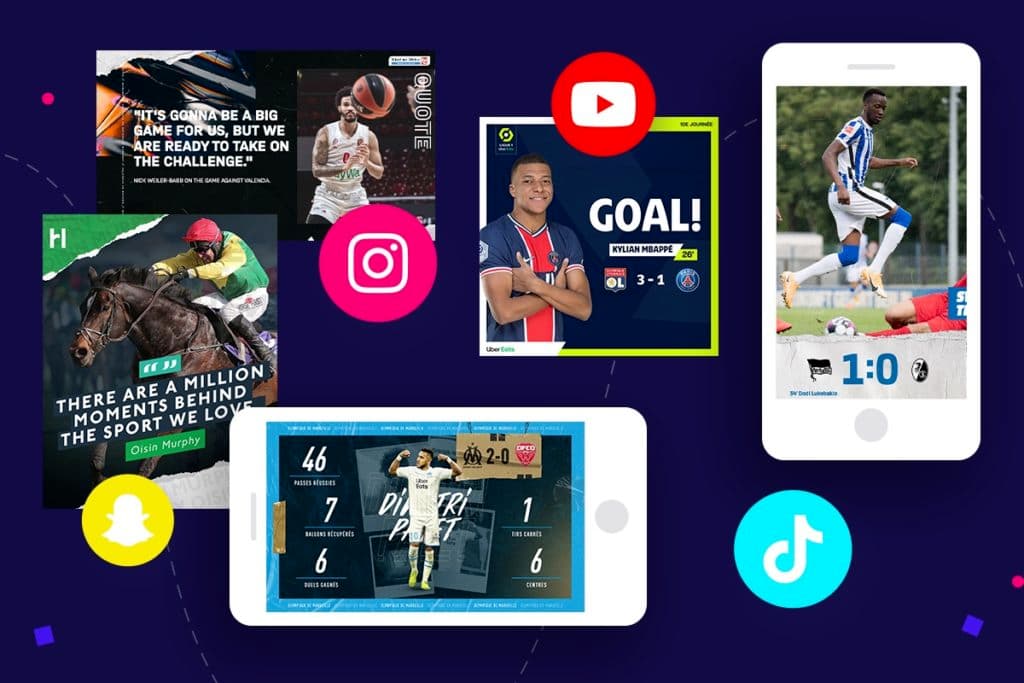
Not long ago, sports brands relied almost entirely on stadium billboards, TV commercials, and celebrity athlete endorsements to reach their fans. You’d see Michael Jordan’s iconic Nike ads during prime-time slots, or catch Adidas sponsoring the World Cup with massive banner placements. These traditional tactics worked well for building awareness, but they had one major limitation—they were one-way conversations. Brands talked, and audiences listened. There was no real interaction, no ongoing relationship, and certainly no sense of community beyond what happened in the stadium.
Today, the game has completely changed. Sports brands have shifted from broadcasting messages to building conversations. They’ve moved from stadiums to screens, creating loyal fan communities through digital platforms like Instagram, YouTube, TikTok, and personalized mobile apps. The best brands don’t just sell shoes or jerseys anymore—they sell inspiration, connection, and identity. They use storytelling, data-driven personalization, influencer collaborations, and social media engagement to turn casual customers into lifelong brand advocates.
This transformation isn’t just about being trendy or keeping up with technology. It’s about survival and growth in an era where consumer expectations have skyrocketed. Digitally savvy customers expect personalized experiences, authentic storytelling, and the ability to engage directly with the brands they love. Sports brands that understand this are not only thriving—they’re setting new standards for what brand loyalty looks like in the digital age.
From Stadiums to Screens: How Sports Brands Shifted to Digital Engagement
The evolution from traditional to digital marketing in the sports industry has been nothing short of revolutionary. In the past, sports brands invested heavily in print ads, TV spots, and massive sponsorship deals with professional leagues and athletes. While these methods created broad visibility, they offered limited ways to track performance, engage audiences, or personalize the experience.
Then came the internet, social media, and smartphones—and everything changed. Digital platforms provided sports brands with the tools to reach fans directly, measure engagement in real time, and build communities around shared passion. Brands like Nike and Adidas began dedicating significant portions of their marketing budgets to digital campaigns, recognizing that their audiences were spending more time online than watching traditional TV.
Nike, for instance, invested over $4 billion in marketing in fiscal year 2024, with a strategic shift away from traditional advertising toward digital brand-building initiatives. The company launched mobile apps like Nike Training Club and Nike Run Club, which integrate fitness tracking, personalized workout plans, and community challenges. These apps don’t just promote products—they create value by helping users achieve their fitness goals while fostering a sense of belonging to the Nike community.
Adidas followed a similar path, investing more than €1 billion in digitalization as part of its growth strategy. The brand focuses heavily on social media platforms, YouTube campaigns, and personalized digital experiences that engage customers wherever they are online. This digital-first approach allows Adidas to interact with consumers on a personal level, generating enthusiasm about sports and building lasting relationships.
The shift to digital also opened doors for smaller, digitally native brands like Gymshark, which leveraged social media influencers and user-generated content to build a massive following without traditional advertising budgets. By collaborating with athletes who had growing social media followings and offering them free products, Gymshark turned influencer partnerships into a powerful growth engine, reaching millions of potential customers organically.
What makes this digital transformation so powerful is the ability to meet fans where they already are. Social media platforms provide direct and interactive channels for organizations to engage with fans, cultivate brand loyalty, and boost athlete popularity. Live sports events, behind-the-scenes content, athlete interviews, and real-time updates create immersive experiences that foster deeper connections than any TV commercial ever could.
Storytelling and Emotional Connection: How Campaigns Create Trust and Long-Term Loyalty
One of the most powerful tools in digital marketing is storytelling—and sports brands have mastered the art of creating narratives that resonate on a deeply emotional level. The most successful campaigns don’t just showcase products; they tell stories about resilience, determination, diversity, and overcoming obstacles.
Nike’s “Just Do It” slogan has become legendary precisely because it represents more than athletic wear—it embodies empowerment and motivation. Campaigns like “You Can’t Stop Us” celebrated diversity, inclusivity, and human resilience through split-screen storytelling that highlighted athletes from all walks of life. The campaign didn’t focus on selling shoes; it inspired individuals to push their limits and redefine what’s possible. This emotional branding strategy creates a powerful connection that keeps customers coming back.
Adidas uses a similarly compelling approach with its “Impossible is Nothing” tagline, focusing on innovation, sustainability, and diverse storytelling. The brand frequently highlights its commitment to sustainability and showcases eco-friendly products across digital platforms, aligning with the values of environmentally conscious consumers. By doing so, Adidas doesn’t just market products—it builds a community around shared values and beliefs.
The emotional impact of these campaigns is backed by psychology. Customers invest in how a brand makes them feel, and the best work resonates by activating timeless emotions- ‘joy, nostalgia, and community’. When brands tell authentic stories that reflect their values and resonate with their audience, they build trust and loyalty that transcends transactional relationships.
Storytelling also makes brands more memorable. Research shows that narratives have the power to evoke emotions and make messages more relatable and engaging. Coca-Cola’s “Share a Coke” campaign, for example, created an emotional bond by replacing its iconic logo with popular names, encouraging customers to find and share a Coke with friends and loved ones. While not a sports brand, the campaign exemplifies how personalized storytelling can drive massive engagement and sales.
Sports brands leverage this same principle by featuring athletes’ personal stories of triumph, struggle, and perseverance. Nike’s collaboration with elite athletes like Michael Jordan, LeBron James, and Serena Williams isn’t just about celebrity endorsement—it’s about associating the brand with excellence, credibility, and inspiring narratives that fans can connect with emotionally.
Social Media and Influencer Marketing: Using Digital Communities to Keep Fans Engaged
Social media has become the heartbeat of modern sports marketing. Platforms like Instagram, Facebook, Twitter, TikTok, and YouTube provide sports brands with direct access to millions of fans who are actively seeking content, interaction, and connection.
The power of social media lies in its ability to turn passive spectators into active participants. Sports organizations use these platforms to share real-time updates, interactive posts, behind-the-scenes content, and exclusive access to athletes. This consistent engagement not only strengthens the bond between fans and brands but also translates into tangible benefits like higher ticket sales, merchandise purchases, and brand advocacy.
The content which is two way drive more traffic & engagement. Polls, quizzes, live Q&A sessions, and challenges encourage fans to participate and feel involved in the brand’s journey. For example, brands like FC Barcelona run campaigns that invite fans to share their experiences and support for the team, creating a global community of passionate supporters.
User-generated content is another powerful strategy. Gymshark, for instance, uses hashtags to generate content from users showcasing their workouts and achievements, which the brand then repurposing on its own social channels. Many people love seeing their content featured like this, which increases engagement and reach while making fans feel valued and recognized.
Influencer marketing has also become central to sports brands’ digital strategies. Gone are the days when sports brands only partnered with professional athletes; they’re now involving popular sports influencers who bring authentic and relatable content to highly engaged audiences. Major influencers can boost a brand’s reach and image through product placements, behind-the-scenes footage, personal stories, and more.
Authenticity really has an importance for influencer marketing. Sports fans can easily spot when something is fake or scripted, so campaigns must align with the influencer’s lifestyle and voice. Nike’s athlete endorsements work so well because they feature genuine partnerships with athletes who embody the brand’s values and inspire fans through their authentic stories.
Social media advertising also offers powerful targeting tools, allowing sports brands to deliver customized messages directly to their ideal audience. Through paid campaigns, organizations can efficiently boost their visibility, drive product sales, and encourage fan participation with a high degree of precision.
The rise of short-form video content on platforms like TikTok and Instagram Reels has opened new opportunities for creative engagement. Video marketing is emerging as one of the most powerful ways for brands to reach new customers, particularly younger demographics who stream hours of online video per week. Nike’s viral video campaigns tied to major sporting events like the Women’s World Cup demonstrate how effective high-quality, shareable video content can be in spreading brand messages.
Data-Driven Marketing: How Analytics and Personalization Increase Fan Retention
One of the biggest advantages of digital marketing is the ability to collect, analyze, and act on customer data. Sports brands now leverage sophisticated data analytics to understand consumer behavior, preferences, and needs, allowing them to create personalized experiences that drive engagement and loyalty.
At its core, data-driven personalization is the strategy of using customer information like demographics, browsing habits, purchase history, and engagement to craft marketing messages, offers, and experiences for individuals. This approach replaces generic campaigns with relevant, context-aware interactions by analyzing real-time and historical data across all channels, including email, web, mobile apps, and social media.
Nike’s mobile apps are excellent examples of data-driven personalization in action. The Nike Training Club and Nike Run Club apps collect user data to provide personalized fitness recommendations, customized workout plans, and tailored product suggestions. By analyzing user behavior and preferences, Nike creates a seamless, personalized experience that keeps customers engaged with the brand for longer periods.
Data-driven personalization based benefits are more important. Research shows that 96% of marketers believe that delivering highly personalized experiences is crucial for keeping customers engaged and encouraging repeat purchases. Personalized content makes customers feel seen and valued, naturally increasing engagement and building loyalty.
When marketing feels relevant and well-timed, people respond. That’s why personalized campaigns outperform generic ones, they connect with the right audience at the right moment and lead to higher conversion rates. For example, personalized email campaigns with birthday discounts or product recommendations based on purchase history show customers that brands value them as individuals, leaving a lasting impression and fostering loyalty.
Adidas uses data analytics to provide personalized product recommendations and be where its customers are online. By taking insights from digital analysis, Adidas tries to create personalized experiences at every touchpoint, whether mobile, social, or retail. This holistic approach increases customer satisfaction and strengthens brand loyalty.
Data-driven marketing also enables sports brands to identify potential churn risks and take proactive measures to retain customers. By understanding customer behavior and preferences, marketers can implement personalized retention strategies that significantly reduce customer attrition.
Beyond personalization, data analytics provide valuable insights for continuous improvement. The data collected through digital marketing efforts help brands understand what works, what doesn’t, and how to refine their strategies to better serve their target audience. This iterative approach ensures that marketing efforts remain relevant, effective, and aligned with customer expectations.
Case Studies and Real Examples: Sports Brands Succeeding with Digital Marketing
Nike: The Digital Transformation Leader
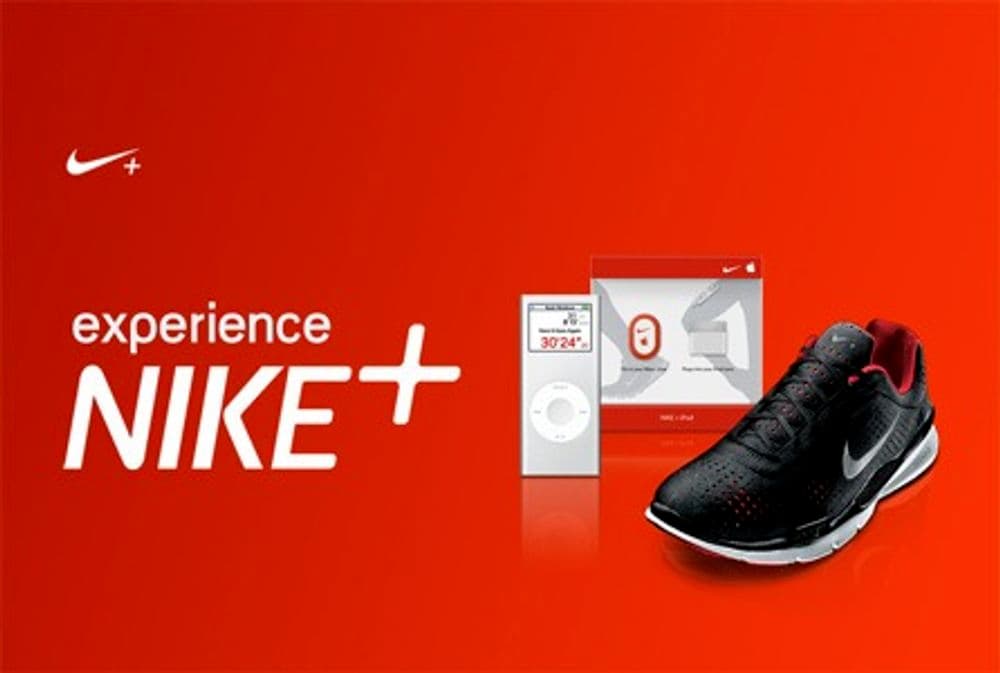
Nike’s digital transformation is one of the most comprehensive in the industry. In recent years, Nike has evolved from a traditional sports equipment manufacturer into a digitally empowered brand that integrates technology, community, and data at every level. This transformation has been driven by a customer-centric vision, placing digital connection and direct consumer engagement at the heart of its strategy.
The company’s “Consumer Direct Acceleration” strategy released in 2020 emphasized creating a marketplace for the future, simplifying customer categories, and embracing digital capabilities. Nike launched multiple mobile apps that integrate fitness tracking, personalized experiences, and community challenges. The Nike Training Club app was a significant driver, increasing the company’s sales in China by 30% during the pandemic.
Nike also introduced chatbots in collaboration with intelligent automation providers to assist online shoppers in finding products and deliver customized recommendations. By fiscal year 2024, Nike’s digital platforms generated 26% of its total revenue, with e-commerce sales increasing by 33%. This success demonstrates how digital transformation can drive significant business growth when executed strategically.
Adidas: Investing in Digital Innovation
Adidas has made digital marketing a core part of its growth strategy, investing over €1 billion in digitalization. The brand describes itself as a digital company that wants to be the world’s best sporting apparel brand by designing, building, and selling unique and comfortable sports goods.
Adidas invests heavily in digital marketing, channeling much of its budget into dynamic campaigns across YouTube, TikTok, and other social platforms. The brand focuses on sparking authentic engagement and building personal connections with its audience through data‑driven insights.
By focusing on sustainability and diverse storytelling, Adidas appeals to conscious consumers and builds communities around shared values.
Research shows that Adidas’s ads have outperformed Nike’s on TV by 23%, meaning Adidas has seen more engagement per dollar spent. This success is attributed to Adidas allocating a larger share of its ad spend toward live sports—85% compared to Nike’s 65%. This concentrated investment in live sports drives higher per-impression impact and engagement rates.
Gymshark: From Startup to Global Brand Through Influencer Marketing
Gymshark provides an inspiring example of how small brands can succeed through digital marketing. The activewear brand leveraged social media influencers and user-generated content to build a massive following without traditional advertising budgets.
Gymshark reached out to athletes with growing social media followings and offered them free products, hoping they would share the products on their social feeds. The strategy worked brilliantly—Gymshark now sponsors numerous athletes who are active on social media, advertising to millions of combined followers through regular sponsored posts. The brand also uses hashtags to generate user content that it repurposed on its own social channels, creating a virtuous cycle of engagement.
This approach demonstrates that authentic partnerships and community-driven content can be just as effective as massive advertising budgets when executed strategically.
How Small Businesses and Entrepreneurs Can Apply These Strategies
The digital marketing strategies used by major sports brands aren’t just for multinational corporations with billion-dollar budgets. Small businesses, freelancers, and entrepreneurs can apply the same principles to build strong digital brands and cultivate loyal customer communities.
Personalization and Customer Connection
Small businesses can leverage digital tools to create personalized experiences that make customers feel valued. Email marketing platforms allow you to send tailored messages based on customer preferences and purchase history. For example, a local fitness studio could send personalized workout tips or birthday discounts to members, creating meaningful touchpoints that build loyalty.
Social media provides small businesses with direct access to their customers at minimal cost. Consistent and meaningful engagement through posts, stories, and responses to comments creates a sense of community and makes customers feel involved with your brand.
Content Marketing and Storytelling
Creating valuable, relevant content is one of the most effective ways to build trust and loyalty. Share blogs, videos, or infographics that address your customers’ needs or interests, positioning your business as a trusted authority in your niche. For example, a local bakery could share recipes or baking tips, providing value beyond just selling products.
Authentic storytelling that reflects your brand’s values and mission creates emotional connections with your audience. Share your journey, challenges, and successes to humanize your brand and make it more relatable.
Taking Benefits from Digital Platforms and Tools
Invest in a professional website that provides a seamless user experience across all devices. Your website should clearly communicate your value proposition, showcase your products or services, and make it easy for customers to take action.
Consider developing a mobile app or loyalty program that rewards customers for repeat business and engagement. Digital loyalty programs are easy to implement and promote through email campaigns and social media ads.
Community Building and Engagement
Encourage user-generated content by inviting customers to share their experiences with your products or services. Feature customer stories and testimonials on your social media channels to build social proof and foster community.
Host online events, webinars, or Q&A sessions to connect with your audience and provide value beyond transactions. These interactions strengthen relationships and position your brand as accessible and customer-focused.
Measuring and Optimizing Performance
Use analytics tools to track customer behavior, engagement, and conversion rates. This data provides insights into what works and allows you to continuously refine your strategies for better results.
Focus on collecting first-party data directly from your customers, as this is typically more reliable, accurate, and relevant than third-party data. Apply this information to enhance your products, services, and customer experiences.
Building Loyalty Through Digital Marketing with InfinitusGiants
Understanding these powerful strategies is one thing—implementing them effectively is another. That’s where InfinitusGiants comes in. As a platform offering comprehensive digital marketing, website design, SEO, and training services, InfinitusGiants helps businesses of all sizes apply the same loyalty-building techniques that major sports brands use to create devoted customer communities.
Whether you’re a small business owner looking to establish your online presence, a freelancer wanting to build a personal brand, or an entrepreneur ready to scale your eCommerce operations, InfinitusGiants provides the expertise and tools you need to succeed. The platform offers practical training on social media marketing, content creation, data-driven personalization, and website optimization—all designed to help you build authentic connections with your audience and turn casual visitors into loyal customers.
From creating SEO-optimized websites that rank well in search engines to developing social media strategies that drive genuine engagement, InfinitusGiants understands that effective digital marketing isn’t just about tactics—it’s about building relationships. Just as Nike and Adidas use personalized experiences and storytelling to create emotional connections, InfinitusGiants teaches you how to implement these same principles in your marketing strategy, regardless of your budget or industry.
The training programs focus on practical, actionable strategies that deliver real results. You’ll learn how to leverage analytics to understand your customers better, create compelling content that resonates with your target audience, and build digital experiences that keep people coming back. Whether you need help designing a professional website, optimizing your online store for conversions, or developing a content marketing strategy that positions you as an industry authority, InfinitusGiants provides the guidance and support you need.
Conclusion: The Future of Brand Loyalty Depends on Authentic Digital Connection
The transformation of sports brands from stadium advertisers to digital community builders offers valuable lessons for businesses across all industries. In today’s competitive landscape, brand loyalty isn’t built through one-way advertising messages—it’s cultivated through authentic storytelling, personalized experiences, consistent engagement, and genuine value creation.
The most successful sports brands understand that digital marketing is not just about selling products; it’s about creating emotional connections that transcend transactions. They use data to understand their customers deeply, personalize experiences at scale, and build communities where fans feel valued, heard, and inspired.
As technology continues to evolve and consumer expectations rise, the brands that will thrive are those that prioritize authenticity, continuous innovation, and customer-centric strategies. Whether you’re a global corporation or a local small business, the principles remain the same: tell compelling stories, engage meaningfully with your audience, use data to create personalized experiences, and build communities around shared values and passions.
The digital landscape offers unprecedented opportunities to connect with customers in ways that were impossible just a decade ago. By learning from the strategies of successful sports brands and applying these principles to your own marketing efforts, you can build the kind of brand loyalty that drives sustainable growth and creates lasting competitive advantages.
The future belongs to brands that don’t just market to their customers—they build relationships with them. Those that embrace this philosophy, invest in digital capabilities, and commit to continuous innovation will be the ones that win customer hearts and minds for years to come.
Want to build a loyal audience for your business? Learn modern digital marketing and website strategies with InfinitusGiants.
Citations:
- https://onlinesportmanagement.ku.edu/community/sports-marketing-trends
- https://digitalagencynetwork.com/digital-marketing-strategy-of-adidas/
- https://www.linkedin.com/pulse/building-brand-loyalty-through-digital-marketing-arka-banerjee-wvync
- https://www.linkedin.com/pulse/building-brand-loyalty-through-digital-marketing-strategies-singh-d7ywf
- https://www.fetchfunnel.com/data-driven-customer-engagement/
- https://www.marketingbrew.com/stories/2024/08/15/adidas-nike-tv-ads-research
- https://digitalagencynetwork.com/nike-digital-marketing-strategy/
- https://www.summitmediacorp.com/blog/game-on-how-live-sports-can-transform-your-digital-marketing-strategy
- https://goldenowl.asia/blog/nikes-digital-transformation-real-examples
- https://www.designveloper.com/blog/nike-digital-transformation/
- https://jamie-barr.com/digital-digest/digital-marketing-showdown-adidas-vs-nike
- https://www.startupbooted.com/nike-vs-adidas-branding-marketing-perspective
- https://businessmodelanalyst.com/adidas-marketing-strategy/
- https://www.plytix.com/blog/sports-brand-marketing
- https://www.greenfly.com/blog/sports-marketing-examples/
- https://arena.im/online-communities/sports-community-branding/
- https://filestage.io/blog/best-nike-marketing-campaigns/
- https://fomo.com/blog/emotional-marketing
- https://www.cmoalliance.com/story-masters-4-emotional-connections-in-brand-stories/
- https://blog.hollywoodbranded.com/5-influencer-campaigns-that-nailed-emotional-branding
- https://www.toaststudio.com/en/articles/pg-volvo-and-other-examples-of-strong-brand-storytelling/
- https://graphicdesigneye.com/emotional-branding-strategy/
- https://fcnoise.com/blog/building-strong-soccer-communities/
- https://www.sportingcode.com.au/news/building-a-thriving-sports-community
- https://slateteams.com/blog/sport-social-media
- https://linksportsmarketing.com/2025/05/22/effective-social-media-strategies-for-sports-brands/
- https://www.giraffesocialmedia.co.uk/fan-engagement-sports-brands/
- https://www.taboola.com/marketing-hub/sports-marketing-trends/
- https://blog.pcnametag.com/sports-marketing
- https://stape.io/blog/how-to-use-data-to-drive-personalization
- https://mill.agency/digital/data-driven-personalization-the-key-to-success-in-todays-digital-marketing-landscape/
- https://www.banzai.io/blog/data-driven-personalization-elevating-user-experience
- https://useinsider.com/harness-data-driven-personalization-to-elevate-customer-engagement-and-achieve-superior-business-results/
- https://www.linkedin.com/pulse/how-digital-marketing-builds-brand-loyalty-small-md-efat-hossain-q7uvc
- https://www.linkedin.com/pulse/enhancing-customer-loyalty-through-digital-marketing-strategies-imh2f
- https://www.ididata.com/blog/enhancing-customer-engagement-through-data-driven-personalization/
- https://www.slideshare.net/slideshow/nike-digital-transformation-case-study/39680079
- https://papers.ssrn.com/sol3/papers.cfm?abstract_id=4996560
- https://www.score.org/resource/blog-post/14-brand-loyalty-strategies-small-businesses
- https://www.uschamber.com/co/grow/customers/small-business-customer-loyalty-strategies
- https://www.outerboxdesign.com/digital-marketing-services/web-design/ecommerce/
- https://www.theedigital.com/blog/10-best-web-design-companies-for-small-businesses
- https://fourthwall.com/blog/loyalty-program-the-ultimate-small-business-strategy
- https://velaro.com/blog/customer-engagement-ultimate-guide-to-building-stronger-relationships
- https://www.v2soft.com/blogs/leverage-digital-marketing-for-branding
- https://blewminds.com/musings/digital-strategies-to-build-brand-loyalty-and-boost-customer-engagement/
- https://ijsra.net/sites/default/files/IJSRA-2024-1866.pdf
- https://digitalagencynetwork.com/sports-marketing-campaigns/
- https://www.growave.io/blog/brands-that-use-storytelling
- https://wyzowl.com/emotional-marketing/
- https://www.1digitalagency.com
- https://www.americaneagle.com
- https://meetdomaine.com
- https://www.slideshare.net/bengilchriest/nike-digital-transformation-case-study
- https://www.smartsites.com/web-design/ecommerce-development/
- https://marketing-shots.com/digital-transformation/nike-digital-transformation-case-study/
- https://www.storyboard18.com/special-coverage/building-brand-loyalty-through-community-engagement-in-sports-28684.htm
- https://thriveagency.com